

Invisalign can correct bite and tooth alignment issues, but not jaw problems. Aligners move teeth in planned stages, and features such as attachments, elastics, and precision wings help guide the bite. Severe cases caused by a major jaw mismatch may need traditional braces, expanders, or jaw surgery. Treatment duration varies by case, and aligners should be worn for about 22 hours a day.
Invisalign can correct many mild-to-moderate overbites, underbites, and crossbites, especially when tooth position is the main cause. Severe cases tied to the jawbone may need braces, expanders, or surgery instead. An orthodontist can tell you which group you are in after a short exam and digital scan.
If you have been wondering whether clear aligners can fix more than crooked teeth, you are not alone. In this guide, we explain how Invisalign bite correction works, which bite problems respond best, and when another treatment may be needed. You’ll also know how long treatment can take, so you can talk with your orthodontist and decide with confidence. We also cover the benefits, the limits, and what to expect from clear aligners for bite problems.
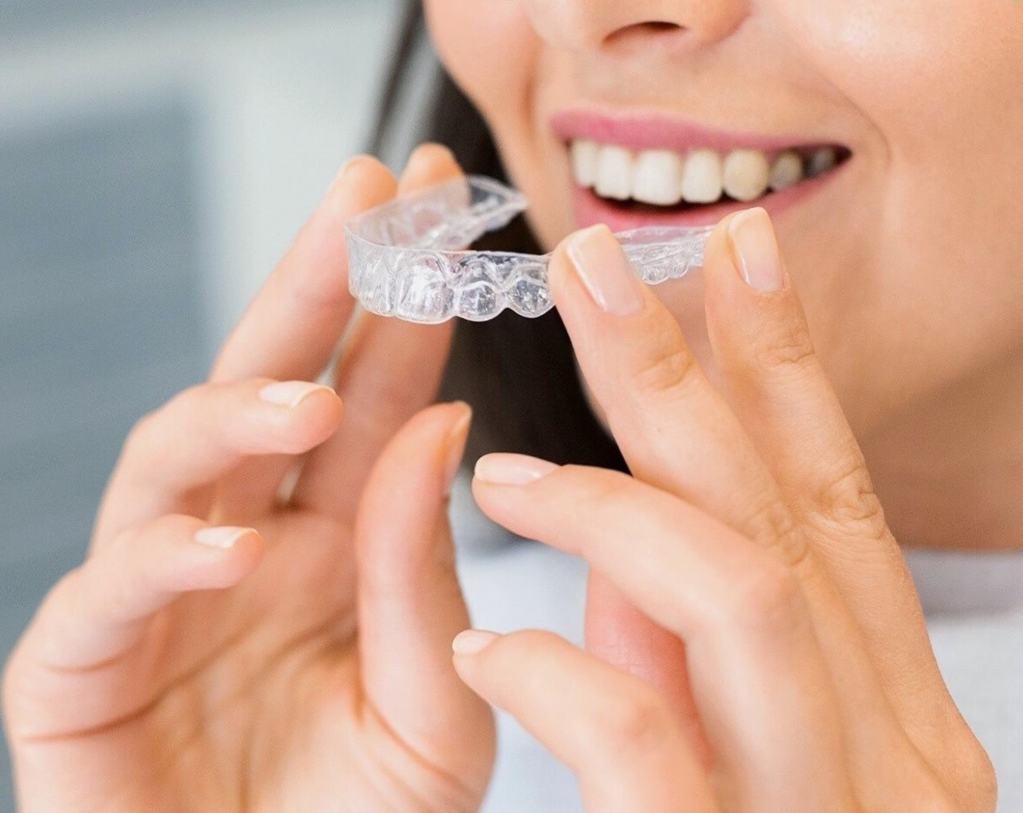
Can Invisalign Fix an Overbite?
Invisalign can correct an overbite by shifting the front teeth back into position and leveling the bite. Sometimes, extra features such as elastics or mandibular advancement help the lower jaw and teeth move forward.
An overbite means the front teeth of the top jaw bite forward more than the lower jaw. The Invisalign website shows clinical evidence that treatment with mandibular advancement is effective for mild and moderate to severe overbite cases, and that it provides precise control with attachments and SmartForce features.
The American Association of Orthodontists reports that it can lead to additional tooth wear, gum issues, and jaw pain. Due to this, many people are turning to Invisalign treatment. As always, your results depend on your bite and on wearing the aligners as instructed. If your overbite is mild, you should prefer aligners. If it is larger, your orthodontist may combine aligners with elastics to move the upper and lower teeth together.
Can Invisalign Correct an Underbite?
Invisalign is effective for many mild to moderate underbites, especially dental underbites by tooth position. But for severe underbites tied to a large jaw mismatch, braces, appliances, or surgery may be necessary.
In an underbite, the bottom front teeth are in front of the top front teeth. The aligner’s precision wing feature gradually moves the lower jaw forward during teeth straightening. But the AAO says most underbites result from differences in the growth of the upper and lower jaws. That difference matters, since a jaw-based problem may need more than aligners.
During the exam, your orthodontist will tell you whether your underbite is dental or skeletal. This information will save time because it will determine if clear aligners are sufficient or a combination of both plans is more suitable. Request a digital preview of your teeth movements, as well.
Does Invisalign Treat a Crossbite?
Depending on the type, age and cause, many crossbites can be treated with Invisalign. It moves certain teeth into their correct positions, or it slowly expands the upper arch in a well-planned manner.
A posterior crossbite is when the upper teeth or jaw is narrower than the lower teeth or jaw, and an anterior crossbite is when the upper front teeth are behind the lower front teeth. Expanders can help children whose palates are still growing, and in extreme cases, surgery may be needed to expand the jaw.
As crossbites can cause the jaw to move to one side, early evaluation helps. Invisalign crossbite treatment works best when your orthodontist provides a step-by-step plan in advance. Children who have been thumb sucking or mouth breathing may need an early checkup, as this can cause serious bite issues later.
How Does Invisalign Correct Bite Problems?
Invisalign corrects bite problems by moving teeth in small, planned stages with a series of clear aligners. They often use attachments and elastics that guide the bite. Digital planning shows each step before you begin.
According to the Invisalign website, attachments are “small tooth colored dots that attach to particular teeth to help move them,” and elastics are “small rubber bands that link the upper and lower aligners to shift jaw relationships”. Interproximal reduction and ClinCheck software may also be used in treatment. The following table outlines the typical way that bites are treated.
Bite Problem |
How Invisalign May Help |
When Another Option May Be Needed |
| Overbite | Levels the bite and guides teeth or the lower jaw forward | Severe jaw size differences |
| Underbite | Shifts teeth and may advance the lower jaw with precision wings | Major skeletal jaw mismatch |
| Crossbite | Moves teeth or widens the upper arch in stages | Extreme cases needing surgical expansion |
When Might Invisalign Not Be Enough?
Invisalign may not be sufficient when the bite problem is mainly due to jaw bone size or position rather than tooth position. Severe cases call for braces, expanders, or jaw surgery, alone or along with aligners. But Invisalign can fix most mild-to-moderate orthodontic issues. Here are a few things you should remember:
- For severe skeletal discrepancies, just aligners are not enough.
- Braces, expanders, or orthognathic surgery can address complex cases.
- Results will vary by diagnosis, objectives and consistency in wearing the aligners.
The Invisalign site itself notes that the right option is based on your diagnosis and your dentist’s suggestion and that results may differ.
How Long Does Invisalign Bite Correction Take?
Invisalign treatment duration varies by case. It ranges from several months for mild issues to about two years or more for serious bite problems. Your orthodontist can give the exact timeline after a scan. For the best results, the Cleveland Clinic suggests wearing aligners about 22 hours a day. Plan regular checkups to ensure your teeth are progressing as expected. Call the office rather than wait if a tray fits poorly or if you miss a few days, as it can add up over a prolonged treatment. For a clear answer to your bite, book a consultation.
What Are the Benefits of Invisalign for Bite Correction?
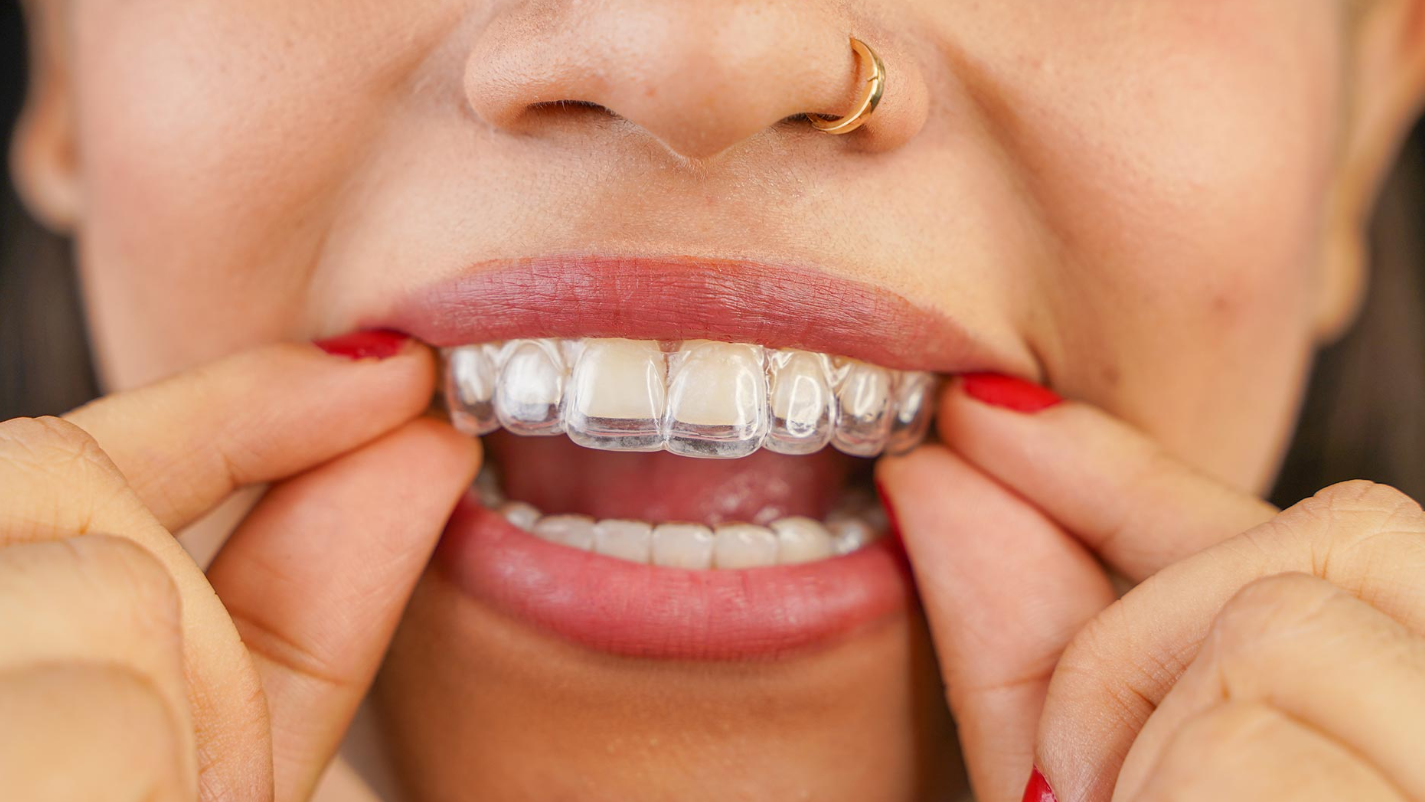
A discreet look, removable trays, digital planning, and fewer limits on eating and cleaning are the main benefits of Invisalign. Many teens and adults prefer clear aligners as they fit daily life. This helps patients stay motivated. The Cleveland Clinic says about 20% of U.S. orthodontic patients are over 18, so adult bite correction continues to grow. Still, you can get benefits only if you wear the aligners correctly and attend all visits.
FAQs
Can Invisalign fix an overbite?
Usually, for mild to moderate cases. Elastics and mandibular advancement are good for larger overbites.
Can Invisalign correct an underbite?
Most underbites respond well. For skeletal underbite that is large, braces or surgery are a must.
Does Invisalign treat a crossbite?
In many cases, depending on the type, age, and cause, Invisalign can help.
How long does Invisalign take for bite correction?
It varies. Some cases take months, while more complex ones can take up to two years.
Can clear aligners fix misaligned teeth?
Yes! They ideally fix crooked, crowded, or spaced teeth. An orthodontist verifies the proper plan.
Who decides if Invisalign is right for me?
After an exam and a scan, an orthodontist or dentist decides. Results are different from person to person.
Final Thoughts
Invisalign can better address mild to moderate overbites, underbites, and crossbites, while severe jaw-based problems may require braces, expanders, or surgery. Getting the right plan starts with a proper exam. Smilecrew Orthodontics can evaluate your bite and explain your options. Schedule a consultation with Smilecrew Orthodontics today.