

If you want to keep your teeth clean with braces, you need to brush after eating, floss carefully around each wire, and maintain a regular dental hygiene routine. The simple answer is that braces add a few extra steps to your regular oral care routine, and doing those steps correctly has a significant impact on how your smile appears once the brackets are removed.
Studies suggest that people with braces are more likely to experience plaque buildup and even white spots on their teeth if teeth-cleaning habits slip. Because food and germs have more places to hide around brackets and wires.
But you’ll be glad to know that a few small changes to your brushing and flossing routine may help keep your smile healthy and bright throughout treatment. Here are a few tips you need to follow, step by step.
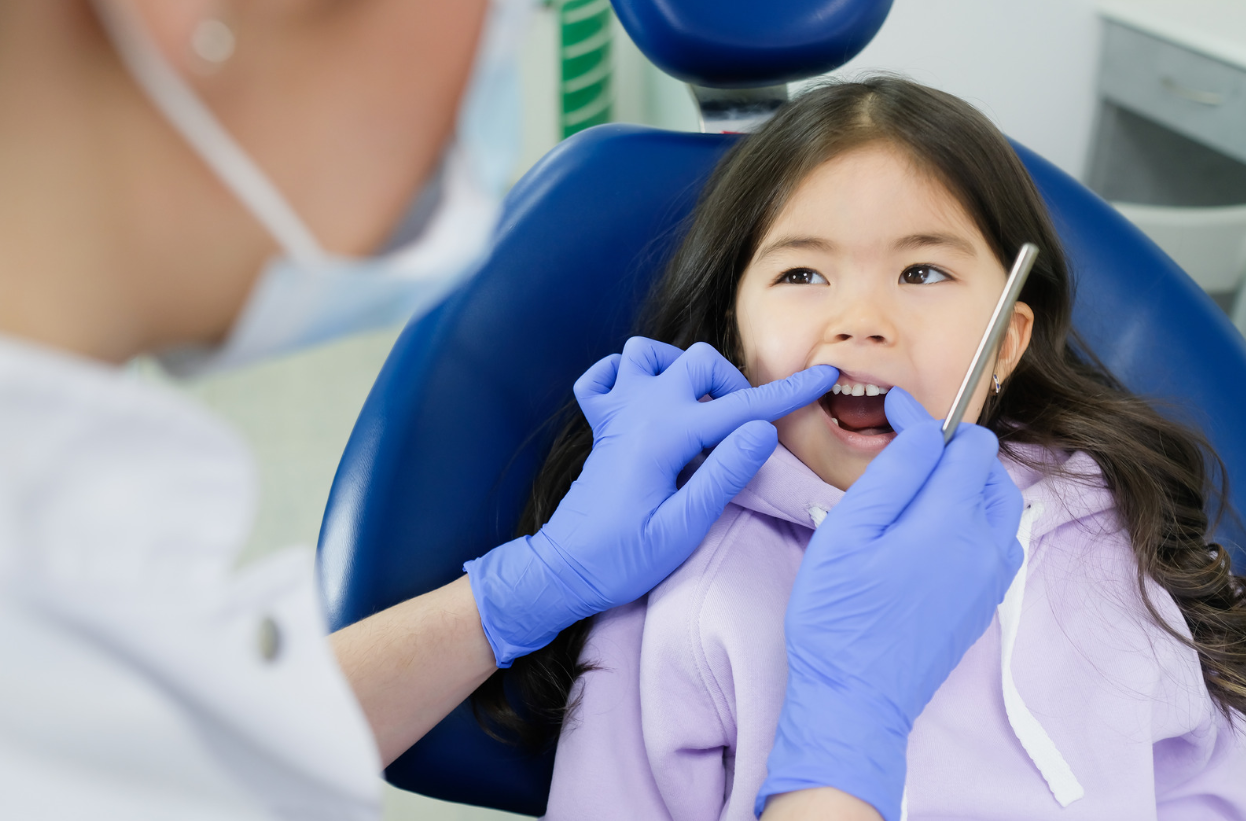
How Should You Brush Your Teeth With Braces?
Brushing braces requires a little more care than your usual routine, mainly because brackets and wires create extra nooks where food and plaque prefer to hide. Some simple brushing tips and small adjustments to your technique go a long way toward keeping your teeth truly clean.
Angle Your Toothbrush Correctly
Hold your soft-bristled toothbrush at a 45-degree angle to ensure that the bristles can easily reach the gum line. This angle helps remove plaque that typically accumulates at the junction of the gums and brackets.
Clean Every Part of the Bracket
Brush above and below each wire and bracket, tilting the brush downward for the top teeth and upward for the bottom teeth. This brushing-with-braces technique ensures you’re not just skimming the surface but actually reaching every angle.
Take Your Time
Must take 2 to 3 minutes to brush every single time, not 30 seconds. If you want to stay consistent, set a timer and use an electric toothbrush with a built-in timer.
Rinse Before You Brush
It’s important to wash your mouth with plain water to remove any trapped food pieces before you even pick up your toothbrush. This simple step helps you make brushing noticeably more effective and less frustrating.
What’s the Best Way to Floss With Braces?
Although flossing while wearing braces is more difficult than brushing, it is as crucial for avoiding plaque buildup on your teeth and gums. Some useful tools make the whole process much simpler.
Use a Floss Threader
Use a floss threader to guide traditional floss beneath the main wire, or use orthodontic floss made especially for braces. Either way, you can get floss where it needs to go without always battling the wire.
Curve the Floss Around Each Tooth
Form the floss into a soft C shape around each tooth’s side, then slowly move it up and down. This method of flossing with braces thoroughly cleans the gum line and tooth surfaces more effectively than a simple up-and-down swipe.
Try an Interdental brush.
A tiny interdental brush can effortlessly move between wires and brackets where ordinary bristles just can’t reach. You must. Keeping one in your bag makes quick touch-ups possible even when you are not at home.
Add a Water Flosser
An oral irrigator, also known as a water flosser, uses a constant stream of water to remove all remaining dirt from brackets and wires. Many orthodontists suggest adding an antiseptic rinse to the water to help prevent plaque with braces.
Should You Use a Mouth Rinse With Braces?
Of course, a fluoride mouthwash is a wise addition to your daily braces maintenance routine. Although it should never replace brushing and flossing. Your orthodontists frequently recommend using a fluoride rinse up to 4 times a day to help prevent minor gum inflammation and strengthen your enamel.
Additionally, antiseptic rinses may be helpful if braces lead to minor scratches or scrapes on your lips or cheeks. After meals, a quick rinse provides an additional layer of protection between brushing sessions and helps keep your breath fresh throughout the day.
How Do You Keep Your Retainer Clean?
It’s important to keep your retainer clean, just like caring for your braces. Because bacteria may build up on it quickly if it’s ignored. When you’re not using your retainer, soak it in a mouthwash rinse to keep it fresh and free of bacteria.
You must develop the habit of cleaning your retainer daily as part of your ongoing orthodontic care, either with a soft brush or a special retainer-cleaning solution. This small daily step keeps both your retainer and your mouth noticeably fresher.

What Foods Help (or Hurt) Your Teeth With Braces?
Keeping to a braces-friendly diet makes it easy to maintain orthodontic hygiene care day to day. Higher acidity foods and drinks are typically more harmful to your teeth than lower acidity ones. For instance, bananas are softer on your teeth than oranges, and water or milk are much healthier options than soft drinks. Your orthodontist can provide you with a more detailed list of foods you can eat and those you should stay away from until your braces are removed.
How Can You Check for Missed Spots?
After brushing, a brief visual check might help identify any areas you may have missed, particularly those near brackets and wires. You should carry a small travel mirror and travel toothbrush, which makes it simple to check your work under good lighting and keep your clean teeth looking their best, even when you’re out and about.
If you think you often miss some areas, you must try chewing a disclosing tablet, which is available at most pharmacies. These tablets make it clear where to focus next time by temporarily highlighting unbrushed plaque in vivid colors.
FAQs
How often should I brush my teeth with braces?
It is recommended that you brush after every meal and snack, which usually works out to three or four times a day. This prevents food from getting stuck around brackets and wires for extended periods.
Can I use a regular toothbrush with braces?
Obviously, if you carefully angle a regular toothbrush with soft bristles over the brackets and wires, it will work just fine. Additionally, many people believe that using an electric toothbrush or a specialized orthodontic toothbrush improves the process.
Why do my gums bleed when flossing with braces?
Gum bleeding is typically a sign of minor inflammation caused by plaque accumulation, which often occurs when flossing is skipped or rushed. If you follow a daily flossing regimen, this usually goes away in a week or two.
How often should I use mouthwash with braces?
You can use a fluoride rinse up to four times a day to treat minor gum irritation and protect enamel. Just keep in mind that rinsing is not an alternative for brushing and flossing, but rather a useful additional step.
What happens if I don’t clean my braces properly?
Poor oral hygiene can lead to cavities, plaque buildup, gum inflammation, and even long-lasting white patches on your teeth after the braces are removed. To avoid these long-term problems, you need to stay consistent with brushing and flossing.
Can I use an electric toothbrush with braces?
Obviously, electric toothbrushes are generally safe and effective when used with braces. As long as you walk cautiously and slowly over each bracket. Many versions even have orthodontic brush heads made especially for this purpose.
Final Thoughts
To keep your teeth clean while wearing braces, you need to follow a few regular habits, which include brushing after eating, flossing with the right tools, rinsing your mouth daily, and eating braces-friendly foods. If you follow these tips regularly, you can protect your teeth and maintain a healthy smile.
At SmileCrew Orthodontics, our professional team walks every patient through a tailored routine of braces cleaning tips. As a result, cleaning is never frightening or confusing. Now, when your braces are removed, you’ll have a healthier, more beautiful smile.
If you are worried about braces care or want expert guidance on your cleaning routine. Book your consultation with us now.