

In Dentofacial orthopedics, orthodontics guides facial and jaw growth. In growing children, palatal expanders and functional appliances can influence jaw development and are often needed. Signs include overcrowding, underbites, crossbites, protruding front teeth, and an uneven bite.
Dentofacial orthopedics is the branch of orthodontics that guides facial and jaw growth, including straightening teeth. It is mostly for growing children with narrow jaws, jaws that are too far forward, or jaws that are too far back. An orthodontist can tell whether your child may benefit.
Many parents hear this term for the first time at an orthodontist’s office and ask themselves, “What does this mean?” In this guide, we explain what dentofacial orthopedics is, the appliances used, which signs indicate the need for jaw correction, and the ideal age for treatment. This will help you ask better questions at your next visit and get information about each step of the plan.
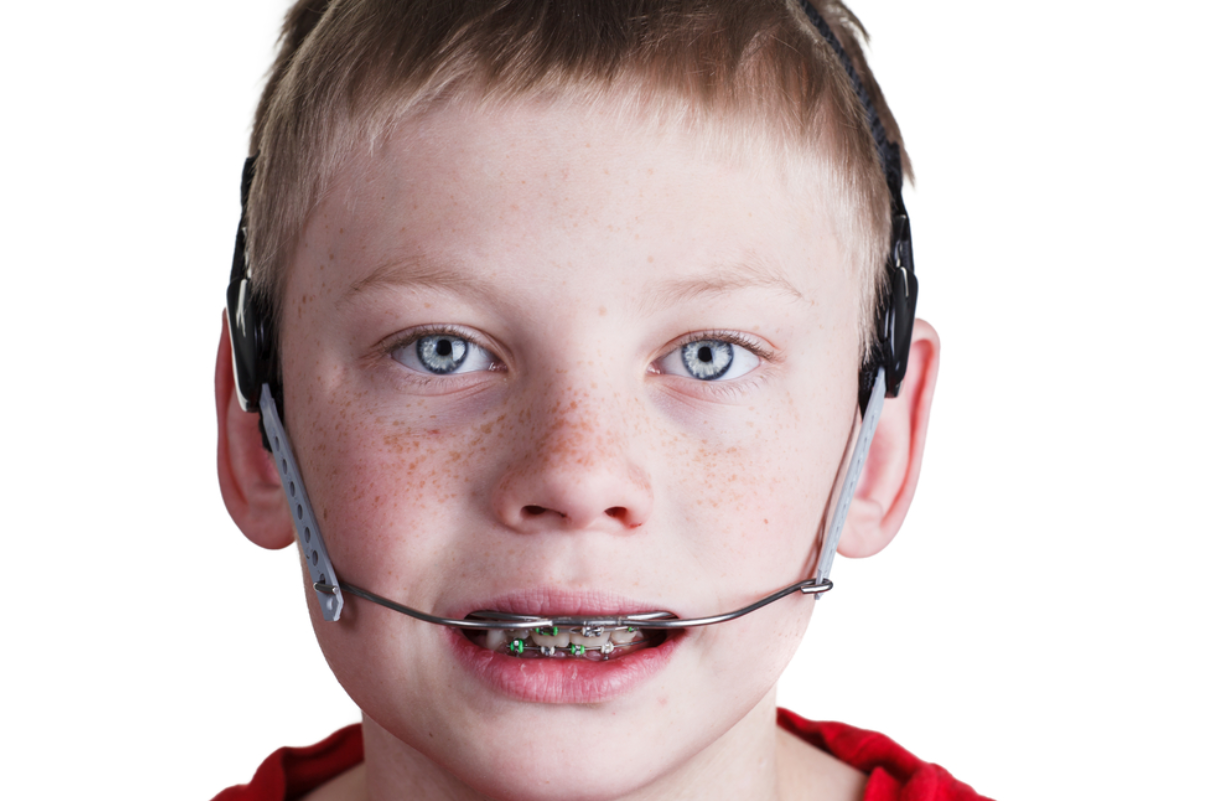
What Is Dentofacial Orthopedics?
Dentofacial orthopedics is the branch of orthodontics that guides facial and jaw growth. It helps develop teeth and bite in a healthy position. Here, the skeletal structure is involved, not only the teeth. And orthodontists are also dentofacial orthopedists who have completed a specialty program in addition to dental school, plus a 2-3 year orthodontic residency. In other words, regular orthodontics moves teeth; dentofacial orthopedics shapes the jawbones that hold them.
How Does Jaw Growth Correction Work?
Jaw growth correction works through gentle, constant pressure from appliances that guide the upper and lower jaws as a child grows. It is most effective during bone development. Palatal expanders, functional appliances, headgear, and facemasks are options specialists may use.
The AAO explains that a palatal expander is a device placed on the roof of the mouth that gently pushes the upper jaw in small steps until it expands, then holds it in place. The following table summarizes common orthopedic appliances.
Appliance |
What It Does |
Common Use |
| Palatal expander | Gradually widens the upper jaw | Narrow upper jaw, crowding, crossbite |
| Functional appliance | May help guide the position and growth of the jaws | Overbite or a bite that does not fit together |
| Headgear | May apply outside force to guide upper jaw growth | Protruding upper teeth or jaw |
| Facemask | May encourage forward growth of the upper jaw | Underbite from an underdeveloped upper jaw |
Your orthodontist will decide which appliance to use, depending on your child’s age, jaw growth, and bite. The orthodontist monitors progress by regular visits. Ask how long your child wears it, what kind it is, and how to care for it.
When Is Dentofacial Orthopedics Needed?
Dentofacial orthopedics is needed mainly during childhood and early adolescence, when the jaws are growing and can be reshaped. Evaluation is suggested before age 7 if a problem is detected to track facial and jaw growth. It can help prevent more challenging and expensive orthodontic care later.
Not all children need treatment. The AAO states three outcomes: no treatment this time, monitoring for future treatment, or early care for an existing problem. If you find these symptoms, you may want to ask about jaw correction:
- Overcrowding, where your jaw feels too small for your permanent teeth.
- An underbite or a crossbite.
- Protruding upper front teeth or a clear overbite.
- An open bite or a bite that does not close evenly.
- Jaws or a face that looks uneven in your growing child.
Can Orthodontics Guide Facial Development?
Orthodontics can guide jaw and facial development in growing children by affecting how the jaws grow and how the teeth fit. It does not change a person’s whole face, but it can improve bite and jaw alignment. It is like guiding growth along a healthier path instead of reshaping bone after the fact.
The AAO notes that early treatment allows the orthodontist to guide jaw growth and create room for permanent teeth. For instance, a palatal expander widens a narrow upper jaw, reducing crowding and allowing a crossbite to be corrected. According to the AAO, growth guidance is important because most underbites result from variations in the growth of the upper and lower jaws. The Cleveland Clinic says that malocclusion is observed in 56% of the global population, which means many families suffer from a jaw or bite problem.
What Age Is Best for Dentofacial Orthopedic Treatment?
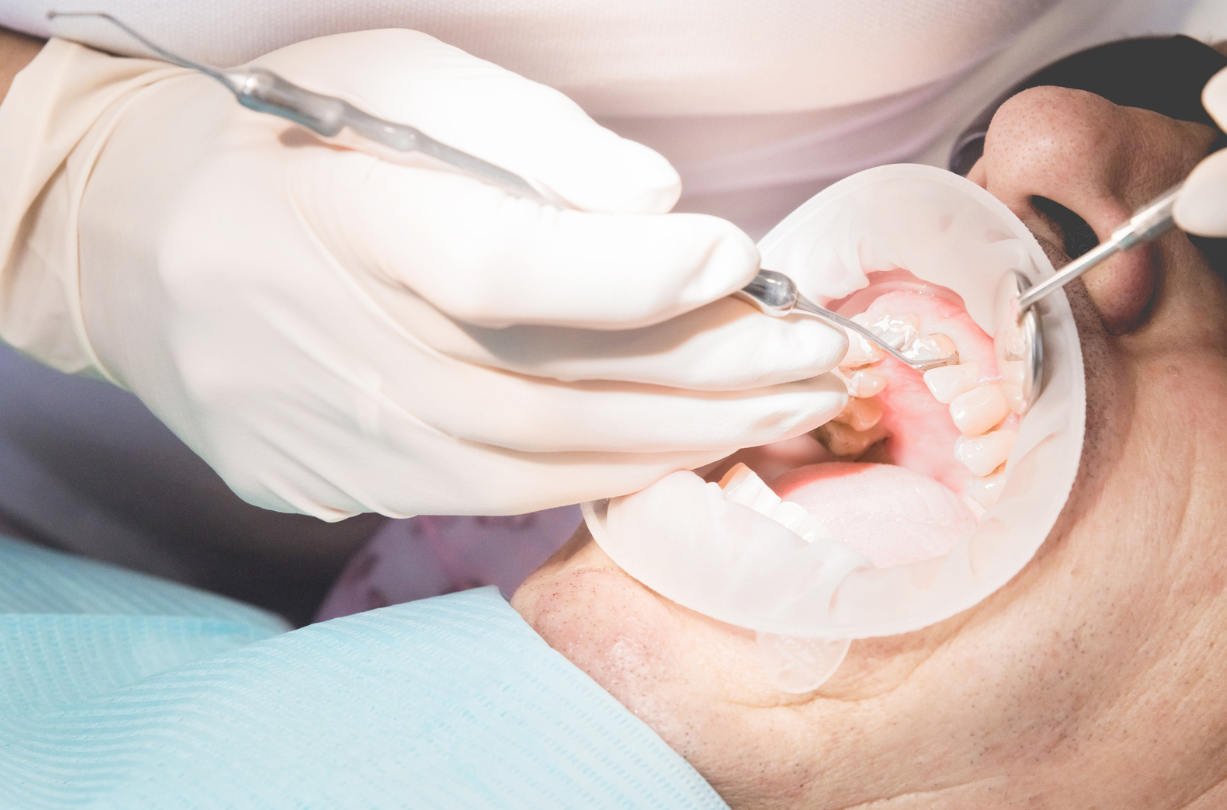
The best age is usually during your child’s growing years, often in the school-aged years, with a first evaluation by age 7. Timing depends on your child’s growth, so your orthodontist will set the schedule accordingly.
A palatal expander is best used during growth, and the AAO states that age, skeletal maturity, and sex (girls grow up sooner than boys) should be considered. A check-up will allow the orthodontist to identify the right window, since growth is variable. Starting treatment at the right time can make the process shorter and easier. It also reduces the need for more complex treatments later. Delaying too long can limit options, as the jaw bones respond less once growth slows.
What About Adults?
In adults, the jaws stop growing, and appliances do not change jaw size. For severe jaw issues and problems that go unresolved during the growth phase, surgery in adulthood may be required. Some adults may also be candidates for the same approaches used for growing patients. Still, orthodontic treatment can occur at any age, and a checkup can determine your realistic options. If you are concerned about your or your child’s jaw development, schedule an appointment with your orthodontist.
What Are the Benefits of Early Orthodontic Treatment?
Early orthodontic treatment guides jaw growth, creates space for permanent teeth, and reduces the need for complex care later. This gives parents more time to plan. Detecting problems early and treating them allows your orthodontist to cooperate with your child’s natural growth, rather than fight it. Over time, an improved bite can make chewing and cleaning easier.
Early care isn’t necessary for all children, but it can have a real impact for the right child, and a quick evaluation is the best way to find out. In this visit, your orthodontist can also review your child’s bite, jaw growth, and X-rays (if necessary) and discuss treatment options, waiting, or simply monitoring.
FAQs
What is dentofacial orthopedics?
The AAO says it’s the part of orthodontics that involves directing facial and jaw growth.
When is dentofacial orthopedics needed?
Mostly in growing children who have jaw or bite problems. A first check-up is suggested by age 7.
How does jaw growth correction work?
Appliances like expanders use gentle pressure to push the jaws apart as they are growing.
What are the signs a child needs jaw correction?
Signs include uneven bites, protruding front teeth, an underbite or a crossbite and crowding.
Can adults get dentofacial orthopedic treatment?
Adults have other options, and serious cases need jaw surgery. An orthodontist can give you some advice.
Final Thoughts
Dentofacial orthopedics helps direct facial and jaw growth and is most effective in children who are still growing. A 7-year-old check-up allows your orthodontist to choose the right timing and plan, and adults have options as well. Smilecrew Orthodontics can evaluate your child’s jaw growth and explain your options. Schedule a consultation with Smilecrew Orthodontics today.